

Caminantes

Latin America is currently witnessing the largest displacement of refugees and migrants in its history. Since 2015, over seven million people have fled Venezuela, with more than 2.8 million seeking refuge in Colombia. This mass exodus, exacerbated by systemic inequality, has created a profound humanitarian crisis that tests the dignity of both the displaced and their host communities. From the treacherous passage of the Darién Gap to the relentless highways of the Andes, the pursuit of survival has become a perilous gamble.
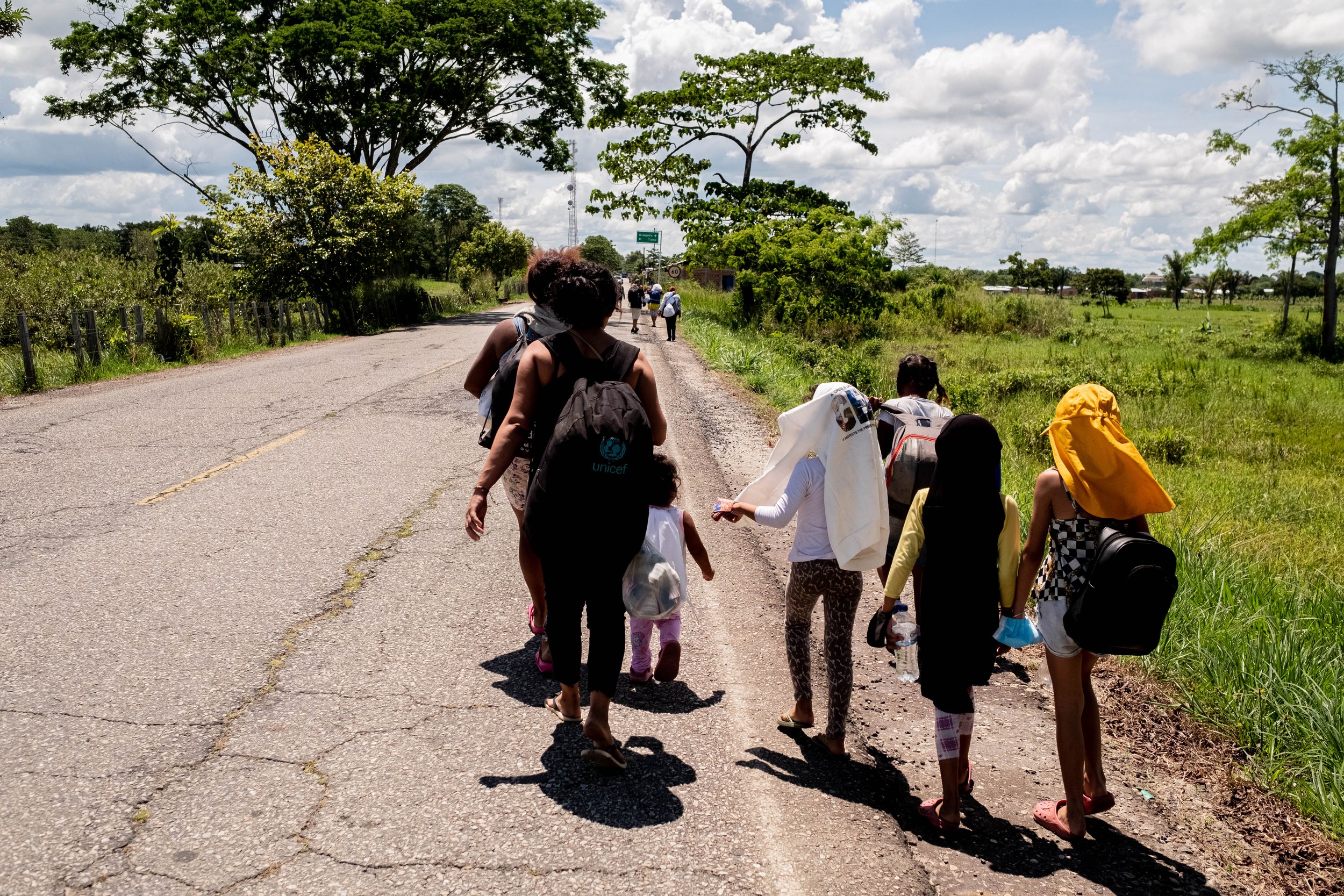
On Colombia’s highways, these migrants are known as caminantes, the walkers. They navigate a landscape of extreme danger, frequently hitchhiking on the backs of heavy cargo trucks with no safety measures, or walking hundreds of kilometers under life-threatening conditions.


For women, children, and those traveling alone, the journey is marked by the constant threat of extortion, exploitation, and physical or sexual violence.
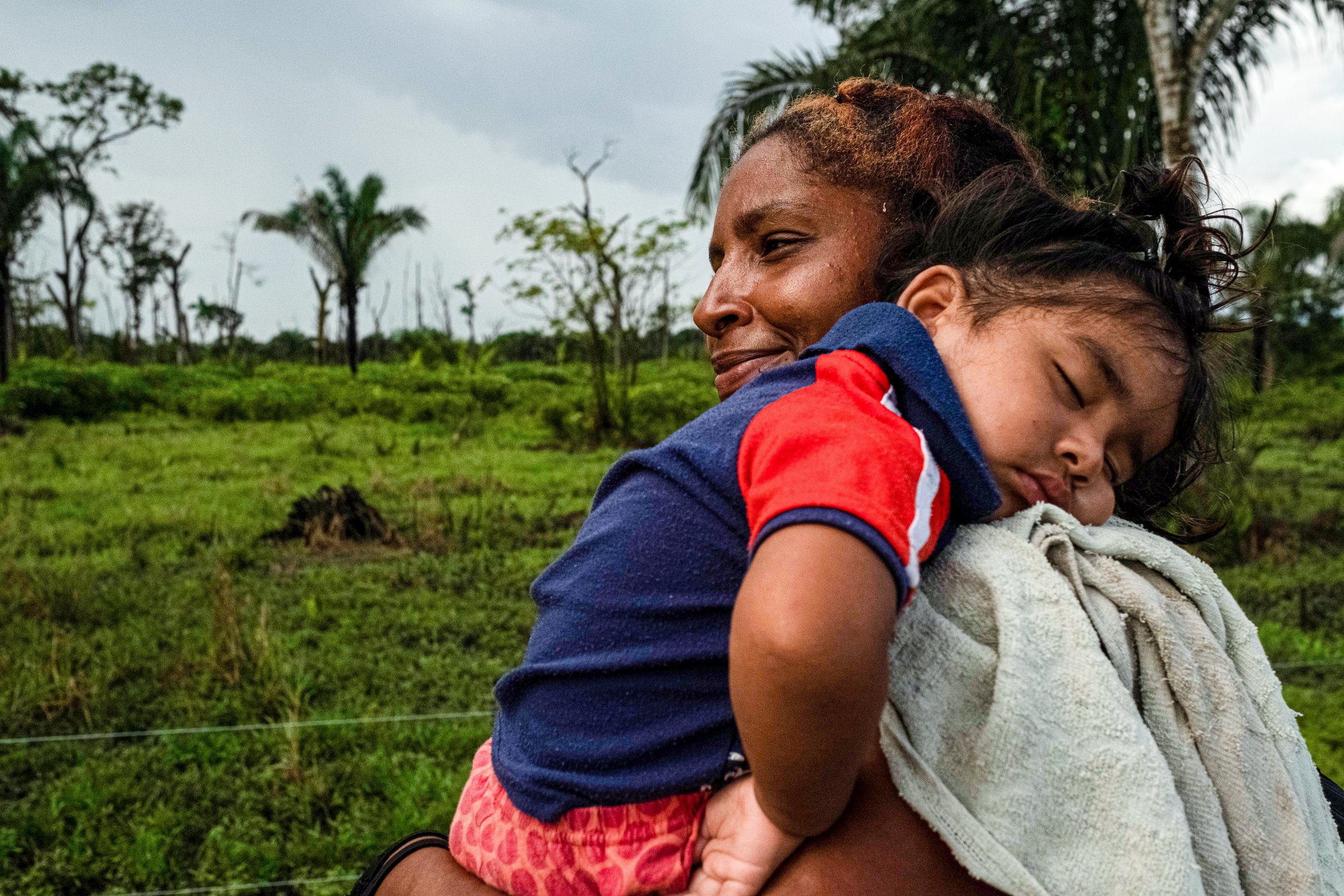
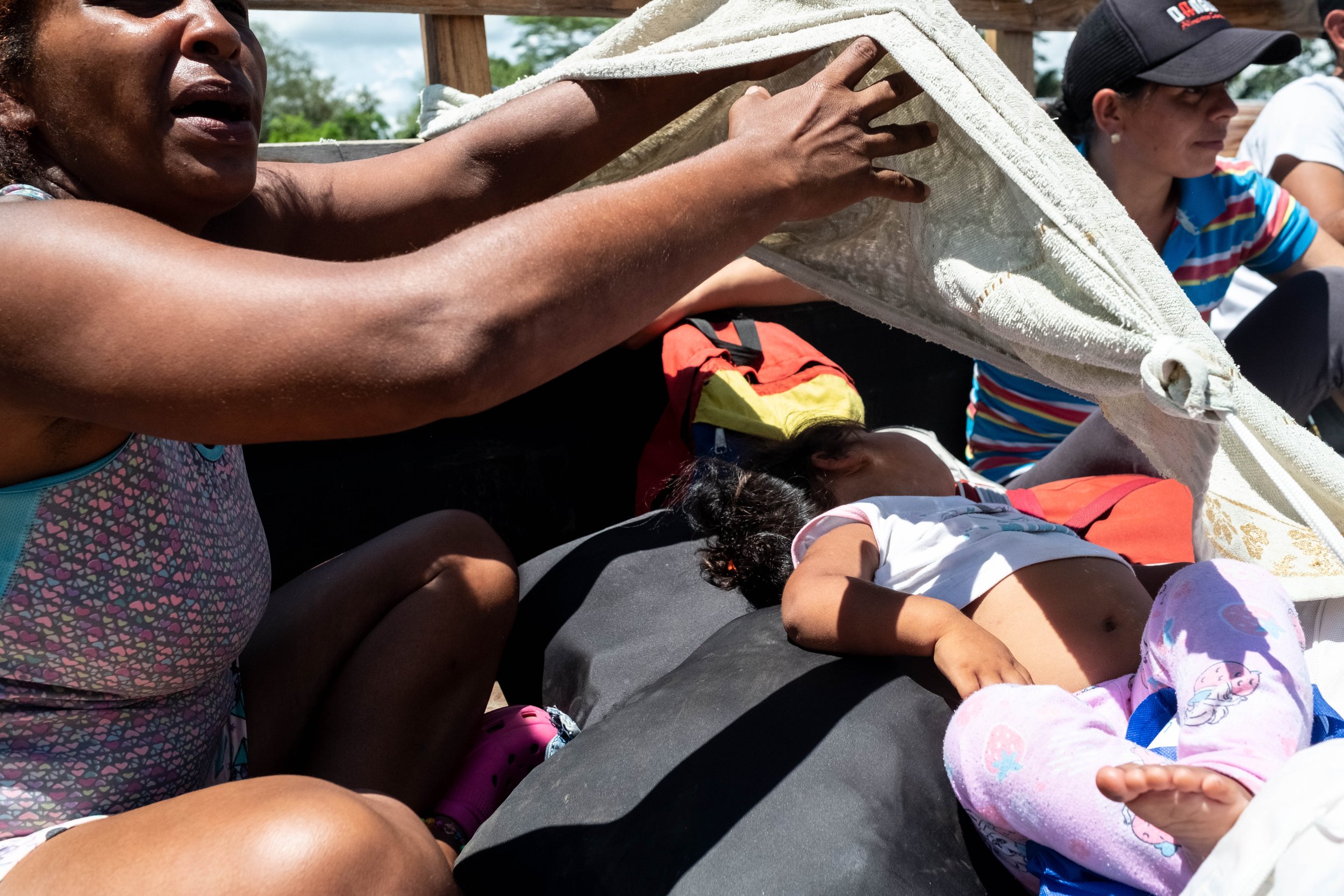

A family rides in the back of a truck under the open sun, a sheet offering only partial shelter from the heat.
Despite the critical need, reaching these populations remains a significant challenge for humanitarian organizations due to restricted access and ongoing conflict in border regions.

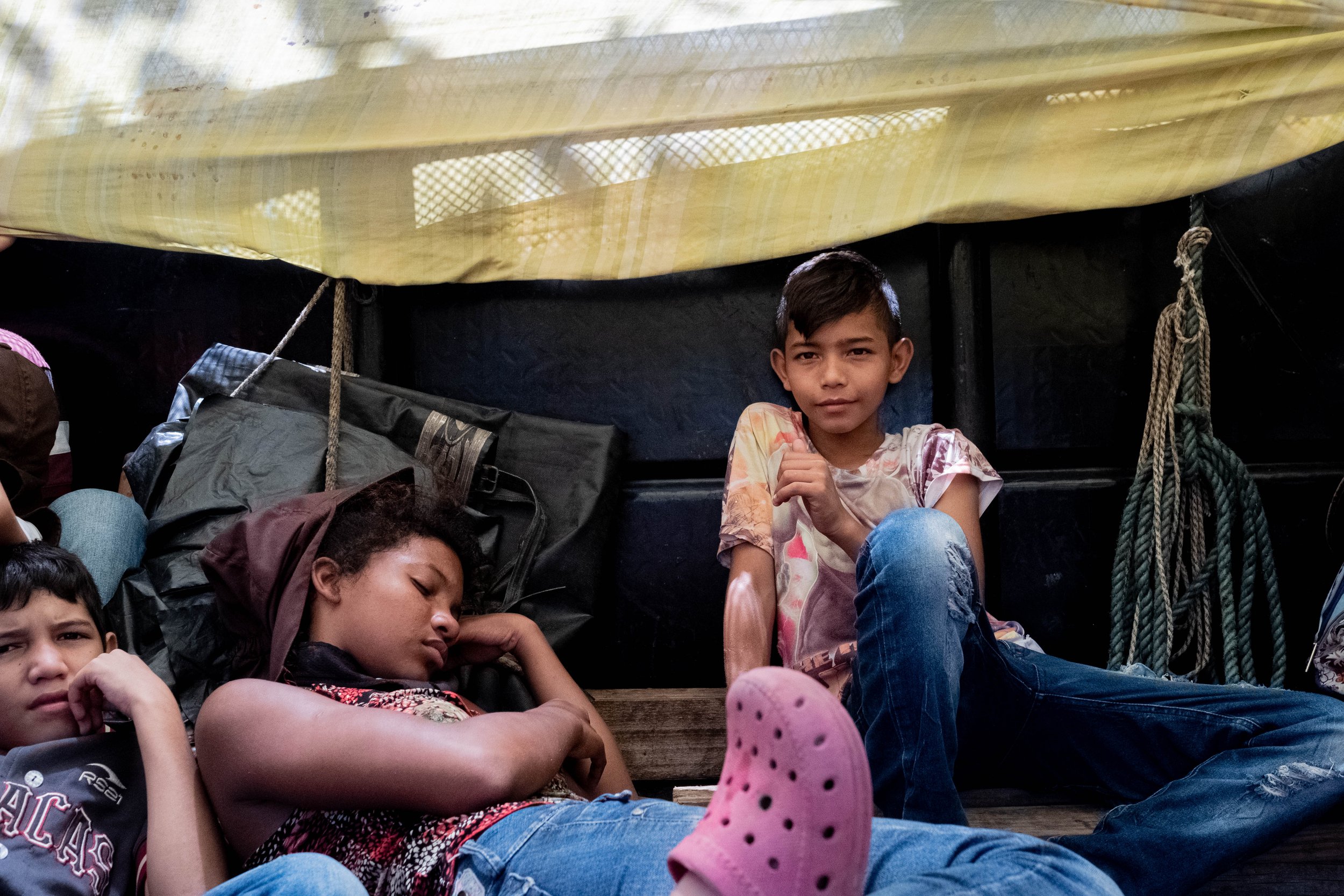
Three caminantes rest together, arms around each other, stealing a moment of sleep along the way.
Expanding access to low-cost transportation, financial aid, and humanitarian transport initiatives could significantly reduce the number of caminantes forced to walk under these conditions. Safe shelter, clean water, and medical care remain urgent, unmet necessities. This documentation serves as a record of those who have braved unimaginable challenges, capturing the reality of a journey where the indomitable human spirit is often the only resource left against the weight of adversity.